Most people are taught that buying a house is the goal.
Get the house. Make the payment. Keep it maintained. Hopefully it appreciates. Someday, maybe, you sell it for more than you paid.
I’ve never been very good at looking at things that way.
I look at almost everything I own and eventually ask the same question:
What is this doing for me?
Not emotionally. Financially.
Because ownership by itself doesn’t necessarily make something an asset.
Production does.
Same House. Different Mindset.
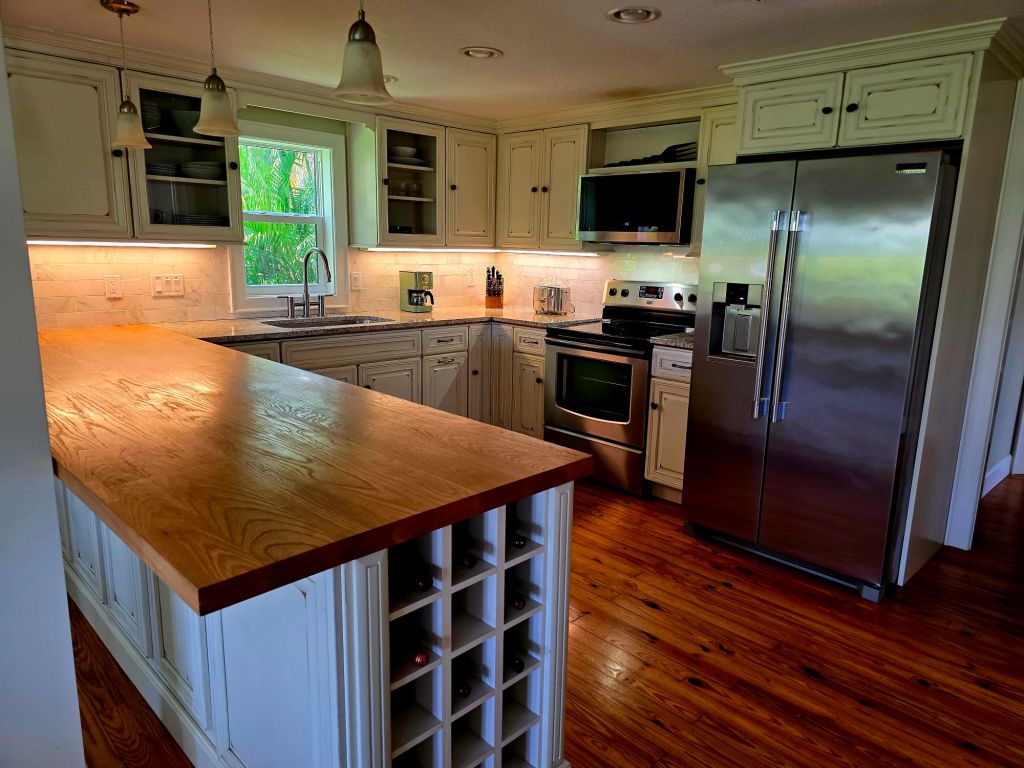
Look at the picture above.
It’s a kitchen.
Clean. Finished. Stainless appliances. Hardwood floors. Big island. Everything where it belongs.
Most people look at that picture and see a house.
I look at it and see inventory.
I see something that can be marketed.
Something that can be rented.
Something that can generate cash flow.
Something that can potentially pay for itself while somebody else enjoys it.
Nothing about the physical property had to change for that transformation to happen.
The mindset changed.
That’s one of the biggest lessons I’ve learned in business.
Sometimes you don’t need another asset.
You need to figure out what the assets you already have are capable of doing.
Idle Assets Cost Money
A house doesn’t stop costing money because nobody is using it.
Taxes keep coming.
Insurance keeps coming.
Utilities keep coming.
Maintenance keeps coming.
The lawn still grows.
The air conditioner doesn’t care whether you made any money this month.
That’s the part people conveniently leave out when they talk about ownership.
There is a carrying cost attached to almost everything.
Cars.
Buildings.
Equipment.
Inventory.
Employees.
Debt.
Even your time.
So when something valuable is sitting there doing absolutely nothing, I notice it.
I hate idle capacity.
If I’ve got a vehicle sitting around, I’m thinking about what it could be doing.
If I’ve got an empty bay, I’m thinking about what could be going through it.
If I’ve got an audience, I’m thinking about what I could build for them.
And if I’ve got a house sitting empty?
I’m sure as hell thinking about how that house can produce.
Stop Thinking Like a Consumer
Consumers ask:
What does it cost?
Entrepreneurs eventually learn to ask:
What can it produce?
That’s a completely different question.
A $100,000 asset that produces nothing might be expensive.
A $500,000 asset producing substantial cash flow might actually be cheap.
Price alone doesn’t tell you much.
Production does.
That’s why I don’t think wealth is necessarily about accumulating more and more shit.
I’d rather own things with a purpose.
If something isn’t producing money, creating leverage, building the brand, improving my life, or positioning me for the next move, I have to start questioning why I’m carrying it.
That doesn’t mean every possession has to make money.
I’m not putting a meter on my fucking couch.
But major assets?
Absolutely.
They need a job.
You Already Paid for the Square Footage
This is another thing that blows my mind.
People will own a property with bedrooms sitting empty, garages sitting empty, docks sitting empty, storage sitting empty, and sometimes the entire damn property sitting empty.
Meanwhile, they’re out looking for another way to make money.
Look around.
You might already own the opportunity.
You already bought the square footage.
You already bought the kitchen.
You already bought the appliances.
You already bought the land.
You already pay the taxes.
You already carry the insurance.
The question becomes:
Can you make those existing expenses generate revenue?
That’s where things get interesting.
Because once an expense starts producing, the entire equation changes.
Presentation Matters
Of course, you can’t just throw something on the market and expect money to magically appear.
That’s another lesson business teaches you quickly.
Presentation matters.
Clean it.
Declutter it.
Fix the little shit you’ve been ignoring.
Take good pictures.
Make it easy for somebody to understand what they’re looking at.
Price it correctly.
Market it.
Answer the phone.
Follow up.
In other words:
Operate it like a business.
It doesn’t matter whether you’re selling cars, renting houses, selling coffee, building content, or fixing alternators.
The fundamentals don’t change nearly as much as people think.
Find something people want.
Present it properly.
Create attention.
Deliver value.
Collect revenue.
Repeat.
Cash Flow Changes Everything
I’ve always believed cash flow gives you options.
And options are freedom.
Cash flow allows you to make the next investment.
Fix the next problem.
Buy the next piece of inventory.
Take advantage of an opportunity when everybody else is trying to figure out how they’re going to pay for it.
That’s why I’m becoming increasingly obsessed with making every part of my world more productive.
Not busier.
More productive.
There’s a difference.
Running around all day doesn’t mean you’re building anything.
Having a bunch of expensive stuff doesn’t mean you’re wealthy.
And owning a beautiful property doesn’t automatically mean it’s an asset.
The question is what everything is producing.
Make What You Own Work
That’s really the entire point.
Before you convince yourself that you need something else, take inventory of what you already have.
Your property.
Your vehicles.
Your equipment.
Your knowledge.
Your experience.
Your relationships.
Your audience.
Your skills.
Your time.
There might be far more value sitting around you than you realize.
The opportunity isn’t always the next thing.
Sometimes it’s the thing sitting right in front of you that you’ve been looking at the wrong way.
That kitchen in the picture?
Somebody sees a place to make breakfast.
I see that too.
But I also see something else.
Square footage that needs to earn its keep.
That’s the difference.
Own assets.
Make them productive.
Create cash flow.
Reinvest.
And keep building.
Your house shouldn’t be the only thing working harder.
Everything you own should have a purpose.
— Nicholas Francis
Modern Day Dealer
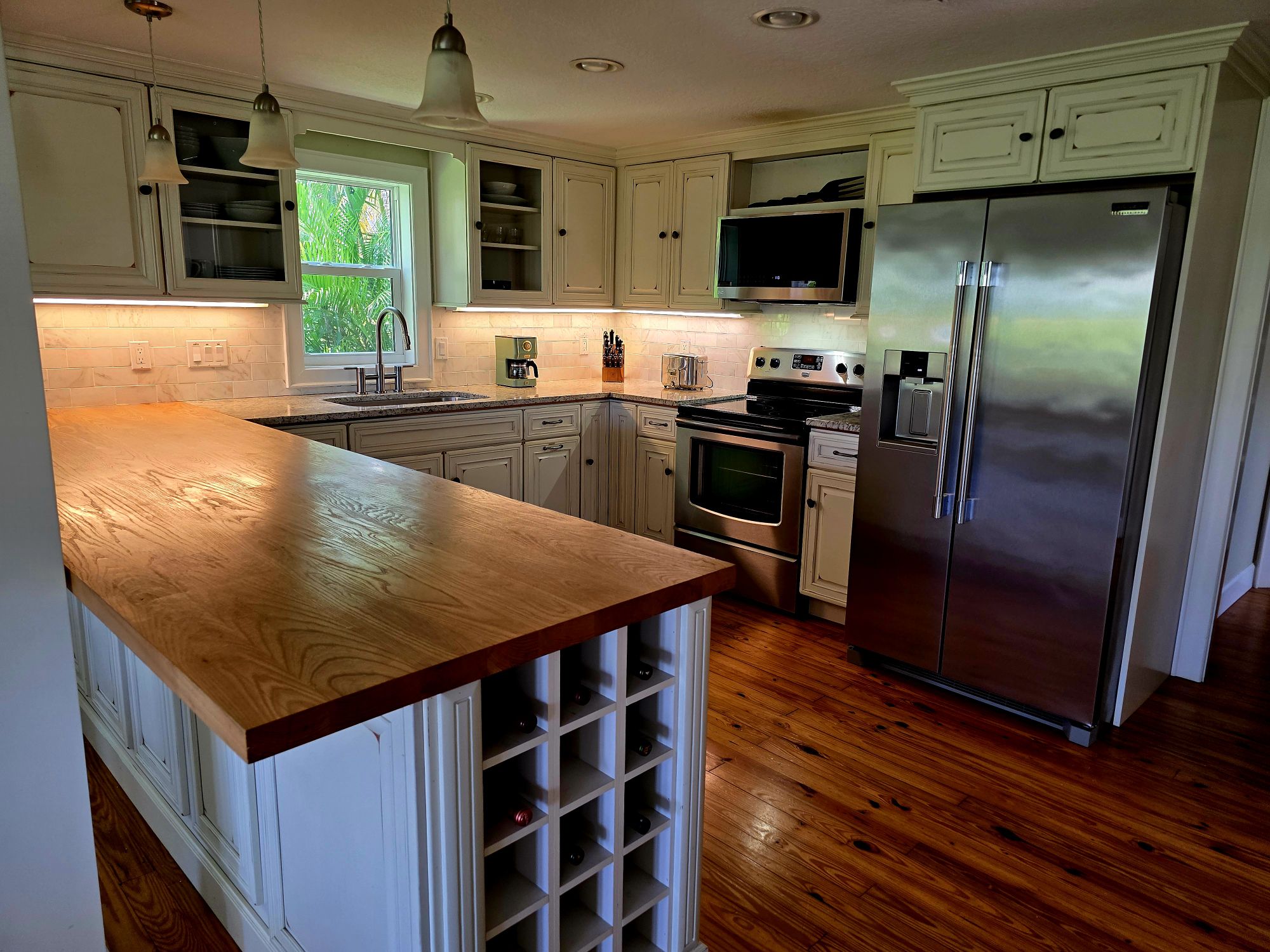
Most people see a kitchen. I see part of an asset that should be producing.
Ownership isn’t the finish line. Production is.


Leave a Reply